

March 3, 2025

blog

Jumpstarting Your Motivation: Tips for Young Professionals

Introduction:   Being a young professional comes with its own set of challenges. Balancing work and personal life, navigating career growth, and finding motivation can sometimes feel overwhelming. However, with the right strategies and mindset, you can jumpstart your motivation and achieve success. In this blog post, we will explore effective tips and techniques to help young professionals stay motivated and reach their full potential. Set Clear Goals: One of the first steps in jumpstarting your motivation is to set clear goals. Define what you want to achieve in your personal and professional life. Break down your goals into small, achievable milestones that you can work towards. By having a clear vision of what you want to accomplish, you’ll have a greater sense of purpose and motivation to keep pushing forward. Ask yourself: What are my short-term and long-term goals? How will achieving these goals benefit me personally and professionally? Find Your Passion: Passion is a powerful motivator. Discover what truly excites you and align your career path with your passions. When you are passionate about your work, you’ll naturally feel more motivated to excel and go above and beyond. Take the time to explore different industries and roles until you find the perfect fit for your interests and talents. Ask yourself: What activities or topics make me feel excited and engaged? How can I incorporate these passions into my professional life? Seek Inspiration: Surround yourself with positive and inspiring people. Connect with mentors, industry leaders, and like-minded professionals who can offer guidance and support. Attend conferences, seminars, and networking events to expand your circle and gain fresh perspectives. Being in the presence of motivated individuals can fuel your own motivation and inspire you to achieve greatness. Ask yourself: Who are some individuals that inspire me? How can I connect with them and learn from their experiences? Develop a Growth Mindset: Adopting a growth mindset is essential for continuous motivation and growth. Embrace challenges as opportunities for learning and personal development. View failures as valuable lessons that bring you closer to success. By embracing a growth mindset, you’ll have a resilient and positive perspective that will keep you motivated even in the face of obstacles. Ask yourself: How can I shift my mindset to see challenges as opportunities? How can I reframe failure as a stepping stone to success? Prioritize Self-Care: Taking care of yourself is crucial for maintaining motivation and overall well-being. Make time for activities that help you relax and recharge. Exercise regularly, practice mindfulness, and ensure you get enough sleep. When you prioritize self-care, you’ll have more energy, focus, and motivation to tackle your professional goals. Ask yourself: How can I incorporate self-care activities into my daily routine? What activities bring me joy and help me unwind? Break Tasks into Manageable Steps: Large projects or overwhelming tasks can dampen motivation. Break down your tasks into smaller, manageable steps and tackle them one at a time. Celebrate your progress along the way to keep your motivation high. By taking small steps, you’ll feel a sense of accomplishment and momentum that will drive you towards your goals. Ask yourself: How can I break down complex tasks into smaller, actionable steps? How can I track my progress and celebrate my achievements? Create a Supportive Environment: Surround yourself with a supportive and positive environment. Avoid negative influences and toxic relationships that drain your motivation. Cultivate relationships with colleagues and friends who uplift and encourage you. Having a strong support system can boost your motivation, provide accountability, and help you stay on track. Ask yourself: Who are the people in my life who support and uplift me? How can I cultivate more positive relationships in my professional network? Practice Mindfulness and Gratitude: Mindfulness and gratitude practices can significantly impact your motivation levels. Take a few moments each day to practice mindfulness meditation, gratitude journaling, or affirmations. By focusing on the present moment and acknowledging what you’re grateful for, you’ll cultivate a positive mindset that will keep you motivated and appreciative of your journey. Ask yourself: How can I incorporate mindfulness and gratitude practices into my daily routine? What am I grateful for in my professional life? Continuously Learn and Grow: Never stop learning and seeking new knowledge. Stay updated with industry trends, enroll in courses or certifications, and seek out opportunities for professional development. By investing in your skills and knowledge, you’ll feel more motivated and confident in your abilities. Continuously challenging yourself to grow will propel you towards success. Ask yourself: What skills or knowledge can I acquire to enhance my professional growth? How can I stay updated with the latest industry trends? Celebrate Your Achievements: Finally, don’t forget to celebrate your achievements, no matter how small. Take the time to acknowledge your progress and reward yourself for your hard work. Celebrating milestones and successes will fuel your motivation and give you a sense of pride in your accomplishments.   Ask yourself: How can I reward myself for reaching my goals? How can I acknowledge and celebrate my achievements along the way?   Conclusion:   Jumpstarting your motivation as a young professional is a continuous process that requires dedication and a growth mindset. By implementing these tips and techniques into your daily life, you can overcome challenges, find fulfillment, and achieve success in your personal and professional endeavors. Remember, motivation is a journey, and with the right mindset, you have the power to create a thriving career and a fulfilling life.   We’d love to hear your thoughts! What are some strategies you use to jumpstart your motivation as a young professional? Share your experiences and tips in the comments below.   Michael Laidler is a professional speaker and best-selling author who empowers individuals and organizations to overcome challenges, find fulfillment, and transform their lives. Through his seminars, online courses, and speaking engagements, he provides insights and expertise on personal growth, resilience, leadership, and well-being. With his motivational and inspiring approach, Michael helps his target audience achieve success and unlock

blog

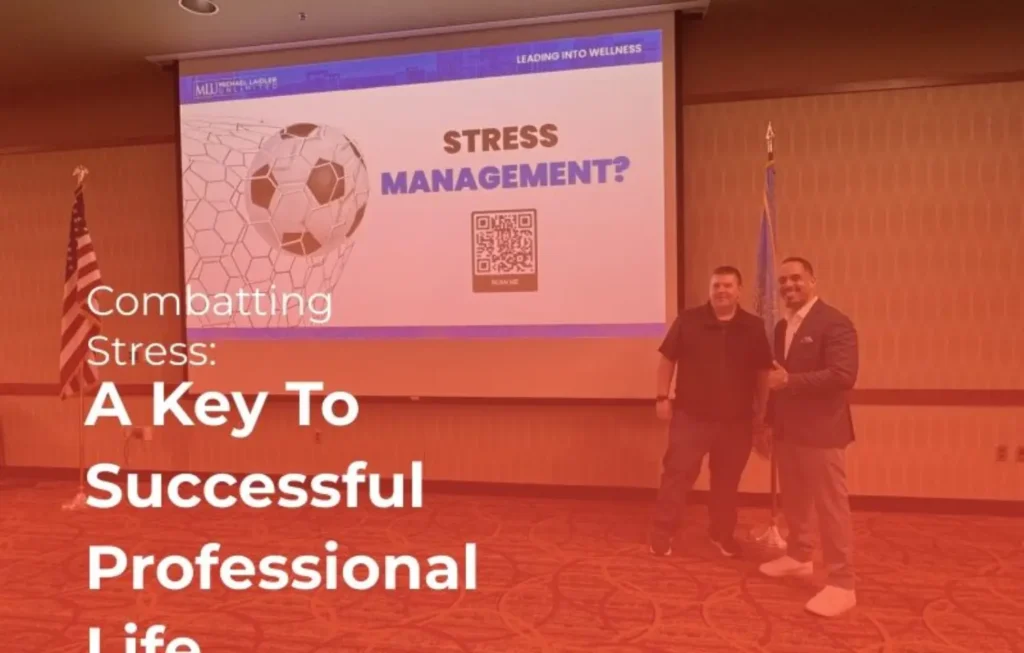
Combatting Stress: A Key to Successful Professional Life

Stress has become an unavoidable part of our modern lives, especially in the demanding world of professionals, executives, leaders, and managers. The constant pressure to perform, meet deadlines, and excel in our careers can take a toll on our mental and physical well-being. However, combatting stress is not just essential for our health; it is also a key factor in achieving success and fulfillment in our professional lives.   In this blog post, we will explore the detrimental effects of stress on our performance, discuss strategies for combating stress effectively, and highlight the benefits of a stress-free work environment. Whether you are a seasoned professional or just starting your career, understanding the impact of stress and discovering ways to manage it can significantly improve your overall well-being and success. The Impact of Stress on Professional Life Stress, if left unmanaged, can have severe consequences on various aspects of our professional lives. Here are some ways stress can adversely affect our performance: 1. Decreased Productivity and Efficiency When we are stressed, our ability to concentrate and focus on tasks diminishes. The overwhelming feeling of pressure can lead to mental and emotional exhaustion, making it difficult to perform at our best. We may find ourselves procrastinating, struggling to complete assignments on time, or making mistakes due to lack of concentration. As a result, our productivity and efficiency suffer, impacting our overall professional success. 2. Impaired Decision Making Stress can cloud our judgment and impair our decision-making abilities. When we are under stress, we tend to rely on impulsive, short-term solutions rather than taking the time to analyze and consider all options. This can lead to poor decision-making, which can have long-term consequences for our careers. By combatting stress, we can ensure a clearer mindset and make well-informed decisions that positively impact our professional growth. 3. Strained Relationships and Communication Stress can significantly impact our relationships with colleagues, superiors, and subordinates. When we are stressed, we may become irritable, impatient, or easily agitated, making it challenging to maintain positive working relationships. Effective communication, a vital skill for success in any professional setting, can also suffer due to stress. By managing stress, we can improve our interpersonal skills, foster positive connections, and create a harmonious work environment. 4. Burnout and Career Stagnation Excessive stress over prolonged periods can lead to burnout, a state of physical, emotional, and mental exhaustion. Burnout can cause feelings of detachment, cynicism, and a significant decrease in job satisfaction. When we experience burnout, our motivation and drive to succeed diminish, and our careers may become stagnant. By combatting stress and prioritizing self-care, we can prevent burnout and continue progressing in our professional lives. Strategies for Combatting Stress Effectively Now that we understand the negative impact of stress on our professional lives, let’s explore some strategies for combatting stress effectively. By incorporating these practices into our daily routines, we can reduce stress levels and increase our chances of success and fulfillment. 1. Prioritize Self-Care Self-care is crucial for managing stress and promoting overall well-being. It involves making time for activities that rejuvenate and relax us. This can include exercise, mindfulness practices such as meditation or yoga, hobbies, spending quality time with loved ones, or indulging in activities that bring us joy. By prioritizing self-care, we replenish our energy reserves, reduce stress levels, and enhance our ability to handle challenging situations. 2. Practice Stress-Relief Techniques There are various stress-relief techniques that can help us cope with and reduce stress. Deep breathing exercises, progressive muscle relaxation, and guided imagery are examples of techniques that promote relaxation. Additionally, incorporating daily mindfulness practices can help us stay present and manage stress more effectively. Exploring different stress-relief techniques and finding what works best for us is essential in combatting stress and maintaining a healthy work-life balance. 3. Set Realistic Goals and Manage Time Effectively Setting realistic goals and managing our time effectively can significantly reduce stress levels. When we set achievable goals, we can maintain a sense of control and progress, preventing feelings of overwhelm. Additionally, managing our time by prioritizing tasks, planning ahead, and avoiding procrastination can help us work more efficiently and reduce stress associated with looming deadlines. 4. Establish Boundaries and Learn to Say No Learning to establish boundaries and say no when necessary is vital for managing stress. Often, we take on more responsibilities and commitments than we can handle, leading to increased stress levels. By setting boundaries and learning to say no to excessive workloads or unreasonable demands, we can protect our mental and physical well-being, ensuring a healthier work-life balance. The Benefits of a Stress-Free Work Environment A stress-free work environment is not just beneficial for individual employees, but also for organizations as a whole. Here are some advantages of fostering a stress-free work environment: 1. Increased Employee Engagement and Satisfaction When employees experience lower levels of stress, they are more engaged in their work and more satisfied with their jobs. A stress-free work environment promotes a positive company culture, where employees feel valued, supported, and motivated to perform at their best. As a result, employee turnover decreases, and overall productivity and success of the organization improve. 2. Better Health and Well-being High levels of stress can take a toll on our physical and mental health. By creating a stress-free work environment, organizations prioritize employee well-being. This, in turn, reduces the risk of stress-related illnesses, absences, and burnout. When employees are healthier and happier, they contribute to a more positive and productive workplace. 3. Enhanced Creativity and Innovation Stress is a creativity killer. In a stress-free work environment, employees have the mental freedom and clarity to think creatively, problem-solve, and innovate. By fostering an atmosphere that encourages creativity and provides the necessary support, organizations can unlock the full potential of their employees, leading to increased innovation and competitive advantage. Conclusion In conclusion, combatting stress is not just a matter of personal well-being; it is a key factor in achieving success and fulfillment in our professional lives. By understanding the

blog

Churning the Wheel of Success: Strong Strategies for Managers

1. Foster a Positive Work Environment Creating a positive work environment is essential for building a motivated and engaged team. As a manager, it’s crucial to promote a culture of respect, collaboration, and open communication. Encourage your team members to share their ideas, opinions, and concerns openly. Provide them with the necessary support and resources to thrive in their roles. Celebrate achievements and recognize their efforts regularly. By fostering a positive work environment, you can enhance team morale and productivity. 2. Set Clear Expectations One of the key responsibilities of a manager is to set clear expectations for their team members. Clearly communicate the goals, objectives, and performance standards to ensure everyone is on the same page. Develop specific and measurable targets that align with the overall organizational objectives. Regularly provide feedback and guidance to help team members understand what is expected of them and how their performance contributes to the larger picture. 3. Empower and Delegate Effective managers understand the importance of empowerment and delegation. Identify the strengths and skills of each team member, and assign tasks that align with their expertise. Empower your team members to take ownership of their work and make decisions within their scope of responsibility. By delegating effectively, you not only develop the skills and confidence of your team members but also free up your time to focus on strategic initiatives. 4. Communicate Effectively Communication is a fundamental skill for managers. Clear and concise communication ensures that teams are aligned, goals are understood, and challenges are addressed promptly. Be an active listener and encourage open dialogue. Provide regular updates and share relevant information to keep your team members informed. Adjust your communication style to suit different individuals and situations, and always be accessible and approachable. 5. Lead by Example As a manager, your actions speak louder than words. Lead by example and demonstrate the behaviors and qualities you expect from your team members. Show integrity, professionalism, and a strong work ethic. Be accountable for your actions and decisions. Recognize and appreciate hard work and commitment. By setting a high standard and being a role model, you inspire your team to follow suit. 6. Foster Continuous Learning and Development Invest in the growth and development of your team members. Encourage them to enhance their skills through training programs, workshops, or coaching sessions. Provide opportunities for them to take on new challenges and responsibilities. Support their career aspirations and help them set meaningful goals. By fostering a culture of continuous learning and development, you not only enhance your team’s capabilities but also create a more engaged and fulfilled workforce. 7. Adapt to Change In today’s dynamic business environment, change is inevitable. As a manager, it’s crucial to be flexible and adaptable. Embrace change and help your team navigate through transitions smoothly. Communicate the benefits of change and address any concerns or resistance. Encourage innovation and experimentation to keep up with evolving market trends and customer needs. By being adaptable, you can position your team and organization for long-term success. 8. Prioritize Well-being and Work-Life Balance Promoting well-being and work-life balance is vital for maintaining a healthy and productive workforce. Encourage your team members to prioritize self-care and establish boundaries between work and personal life. Lead by example and practice self-care yourself. Offer flexibility when possible, such as remote work options or flexible hours. By prioritizing well-being, you can create a supportive environment where individuals can thrive both personally and professionally. Conclusion Becoming a successful manager requires a combination of skills, strategies, and qualities. By fostering a positive work environment, setting clear expectations, empowering and delegating, communicating effectively, leading by example, fostering continuous learning, adapting to change, and prioritizing well-being and work-life balance, managers can churning the wheel of success. Implement these strategies consistently, and you will be well on your way to achieving exceptional results and creating a high-performing team that drives the success of your organization.   Michael Laidler is a professional speaker and best-selling author who empowers individuals and organizations to overcome challenges, find fulfillment, and transform their lives. Through his seminars, online courses, and speaking engagements, he provides insights and expertise on personal growth, resilience, leadership, and well-being. With his motivational and inspiring approach, Michael helps his target audience achieve success and unlock their full potential. Adapt to Change Communicate Effectively Empower and Delegate Foster a Positive Work Environment Foster Continuous Learning and Development Lead by Example Management Strategies Prioritize Well-being and Work-Life Balance Set Clear Expectations Success Strategies

blog

Quintessential Skills for Burgeoning Entrepreneurs

Are you ready to embark on the exciting journey of entrepreneurship? Being an entrepreneur requires a unique set of skills and qualities to navigate the challenges and opportunities that come your way. As you build your own success story, it’s important to develop the quintessential skills that will set you apart from the competition. In this article, we will explore the essential skills that every burgeoning entrepreneur should possess to thrive in the business world. 1. Adaptability and Flexibility In the fast-paced and ever-changing business landscape, adaptability and flexibility are crucial skills for entrepreneurs. The ability to quickly adjust to new circumstances, embrace change, and pivot when necessary will help you stay ahead of the curve. By being adaptable, you can turn unexpected challenges into opportunities, and this mindset will set the stage for growth and innovation within your business. 2. Strong Leadership Skills As an entrepreneur, you will not only be responsible for making critical decisions but also for guiding and inspiring your team. Strong leadership skills are essential to foster collaboration, motivate employees, and create a positive work culture. Effective leaders have the ability to communicate their vision, delegate tasks, and provide guidance when needed. By developing your leadership skills, you can create a cohesive and high-performing team that will drive your business forward. 3. Problem-Solving and Critical Thinking Entrepreneurship often involves navigating complex problems and making tough decisions. Being a skilled problem solver and critical thinker is vital for overcoming obstacles and finding innovative solutions. By honing these skills, you can analyze situations from different perspectives, identify potential roadblocks, and make informed decisions based on data and insights. 4. Resilience and Perseverance The journey of entrepreneurship is filled with ups and downs. Building a successful business requires resilience and the ability to persevere in the face of adversity. You may encounter setbacks and failures along the way, but it’s important to learn from these experiences and continue moving forward. Resilient entrepreneurs have the determination to bounce back from obstacles and maintain a positive mindset even during challenging times. 5. Self-Confidence Believing in yourself and your abilities is crucial for entrepreneurial success. Self-confidence allows you to take calculated risks, embrace opportunities, and assertively pursue your goals. When faced with uncertainty, your self-confidence will help you trust your instincts and make bold decisions. By continuously building your self-confidence, you can overcome self-doubt and position yourself as a confident and authoritative figure in your industry. 6. Effective Communication Being able to effectively communicate your ideas, vision, and value proposition is essential for any entrepreneur. Clear and concise communication skills enable you to articulate your thoughts, build relationships with stakeholders, and persuade others to support your business. From pitching your startup to investors to negotiating deals with potential clients, effective communication skills will help you convey your message with impact and influence. 7. Financial Literacy Understanding the financial aspects of running a business is paramount for every entrepreneur. Developing financial literacy skills allows you to manage your cash flow, analyze financial statements, and make strategic financial decisions. A solid grasp of financial concepts and the ability to interpret financial data will enable you to make sound financial choices that drive the growth and profitability of your business. Conclusion Becoming a successful entrepreneur requires more than just a good idea. It requires the development and mastery of a diverse set of skills. By fostering adaptability, strong leadership, problem-solving abilities, resilience, self-confidence, effective communication, and financial literacy, you will be equipped to tackle the challenges of entrepreneurship head-on and thrive in the competitive business world.   So, are you ready to embark on this exciting journey and cultivate these quintessential skills? Share your thoughts and experiences in the comments below. And remember, the path to entrepreneurial success is unique for everyone, so keep learning, growing, and taking bold steps towards building your dream business.   REFERENCES: Some references can be added here. Michael Laidler is a professional speaker and best-selling author who empowers individuals and organizations to overcome challenges, find fulfillment, and transform their lives. Through his seminars, online courses, and speaking engagements, he provides insights and expertise on personal growth, resilience, leadership, and well-being. With his motivational and inspiring approach, Michael helps his target audience achieve success and unlock their full potential. adaptability Critical Thinking effective communication Financial Literacy flexibility leadership Perseverance Problem-Solving resilience Self-Confidence

Scroll to Top